Understanding Hajj in Islam
Hajj is one of the most sacred acts of worship in Islam. It is the pilgrimage to Makkah that every adult Muslim should perform once in a lifetime, if they are physically and financially able to do so. It is not only a journey to a holy place. It is also a journey of the heart, where a believer seeks forgiveness, renewal, and closeness to Allah.
For many Muslims, Hajj is the deepest spiritual goal of their lives. It brings together millions of believers from every part of the world, all wearing simple clothing and standing before Allah as equals. This unity is one of the most powerful symbols in Islam. It reminds people that wealth, status, and background do not matter in front of the Creator. What matters is sincerity, humility, and obedience.
Why Hajj Holds Such a Special Place
Hajj is deeply connected to the story of Prophet Ibrahim, his wife Hajar, and their son Ismail. The rituals of Hajj are not random acts. Each one carries a meaning and reflects devotion, sacrifice, trust, and patience. This is why Hajj is more than travel. It is a complete act of faith that teaches a Muslim how to submit with the heart and body.
The pilgrimage also gives a person a rare chance to pause from daily life. The world often moves fast, and faith can sometimes feel rushed in routine. Hajj changes that rhythm. It gives time for reflection, prayer, and repentance. Many people return from Hajj with a stronger connection to prayer, more peace in their hearts, and a deeper understanding of Islam.
If you are also exploring spiritual travel and planning support, it helps to look at trusted services like the best umrah travel agency in bangalore, umrah packages from bangalore, and luxury umrah package from bangalore, because proper planning makes every sacred journey more comfortable and focused.
How Long Does Hajj Last?
Hajj usually takes place over a few days, and the main rites are performed between the 8th and 12th of Dhul Hijjah, the final month of the Islamic calendar. In simple terms, the core Hajj rituals last about five days. However, the complete journey can take longer when travel, rest, visa processing, and accommodation are included.
Some pilgrims arrive earlier in Makkah or Madinah to prepare spiritually before the Hajj days begin. Others stay after the main rituals to offer more prayers and visit blessed places. So while the official rites are concentrated into a short period, the total travel experience often stretches beyond those days.
This is one reason careful planning matters so much. A smooth journey helps the pilgrim stay calm, focused, and ready for worship. Families and first-time travelers often find peace of mind when they choose reliable help, whether they are searching for umrah packages in bangalore or comparing well organized Hajj and Umrah support options.
When Does Hajj Begin and End?
Hajj begins on the 8th of Dhul Hijjah with preparation in Mina and ends after the stoning ritual and final farewell activities on the 12th or 13th of Dhul Hijjah. The exact flow may vary slightly depending on the pilgrim’s schedule and the arrangements made by the Hajj authorities.
The pilgrimage is tied to a fixed Islamic date, which means it moves across the Gregorian calendar every year. Because of that, many Muslims prepare months in advance. They arrange documents, health requirements, travel schedules, and accommodation well before the season begins. This preparation is important because Hajj is physically demanding, and good organization makes a real difference.
The Main Steps of Hajj in Simple Terms
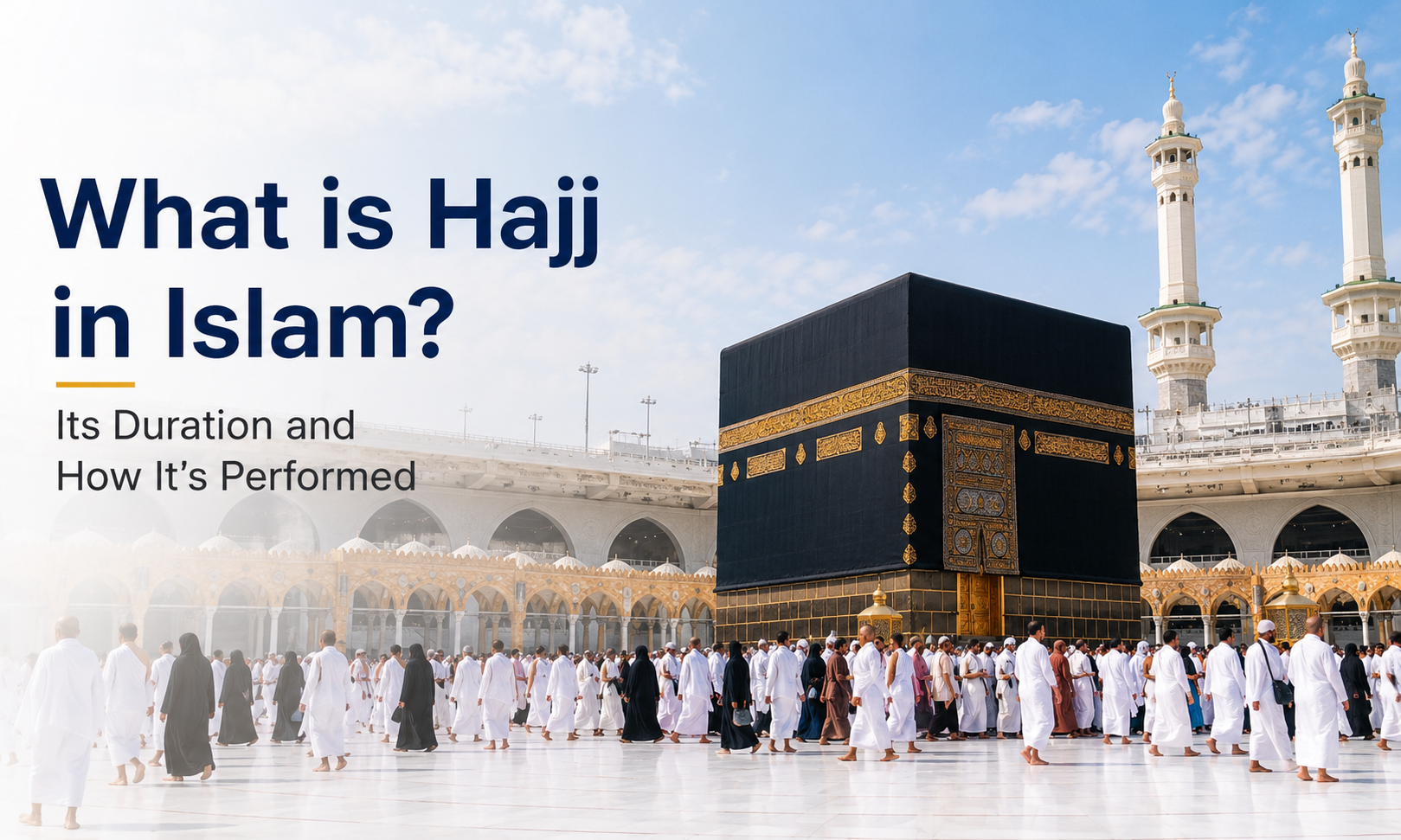
Hajj includes several important rituals. Each one has its own meaning, and together they form a beautiful pattern of worship. The pilgrim begins by entering the state of Ihram. This is a sacred condition that involves intention, cleanliness, and special dress. Men wear two simple white cloths, while women wear modest clothing that follows Islamic guidelines.
After Ihram, pilgrims perform Tawaf, which means walking around the Kaaba seven times in a counterclockwise direction. This act represents love, devotion, and the believer’s focus on Allah. It is followed by Sa’i, which is walking between the hills of Safa and Marwah. This honors the struggle of Hajar, who searched for water with trust and determination.
Then comes the most important part of Hajj, standing at Arafat. This day is known as the heart of Hajj. Pilgrims spend time in prayer, asking for forgiveness and mercy. It is a day of intense spiritual feeling, and many believers describe it as the most emotional moment of their lives. After Arafat, pilgrims move to Muzdalifah, where they pray and collect pebbles for the next ritual.
The next day, pilgrims return to Mina and perform the stoning of the Jamarat. This ritual symbolizes resisting temptation and rejecting evil. After that, many pilgrims offer an animal sacrifice, shave or trim their hair, and leave the state of Ihram. The final step is the Farewell Tawaf, which marks the end of the sacred journey in Makkah.
Why the Day of Arafat Matters So Much
The Day of Arafat is often described as the essence of Hajj. It is the day when pilgrims gather in prayer and stand before Allah with full attention and hope. The atmosphere is deeply moving because everyone is equal in worship. There are no worldly titles, no luxury, and no separation. Only prayer, humility, and supplication remain.
Many Muslims who are not in Hajj also fast on this day if they are able to. This shows how valuable the day is in the Islamic tradition. For pilgrims, Arafat is the time to ask for forgiveness, make personal dua, and renew their life with a clean heart. It is often the moment when the meaning of Hajj feels fully alive.
The Spiritual Meaning Behind the Rituals
Every action in Hajj teaches a lesson. Ihram teaches simplicity and equality. Tawaf teaches that Allah is the center of a believer’s life. Sa’i teaches effort, trust, and patience. Arafat teaches repentance and mercy. The stoning ritual teaches resistance against sin and temptation. Sacrifice teaches submission and gratitude. Hair cutting or shaving teaches renewal and humility.
These rituals are not only physical acts. They are reminders for the soul. A person does not simply complete Hajj and go home unchanged. The hope is that the person returns with a softer heart, stronger discipline, and deeper faith. In that sense, Hajj becomes a turning point that can shape the rest of a person’s life.
How to Prepare for Hajj Properly
Preparation for Hajj begins long before the journey starts. A pilgrim should first understand the rites of Hajj clearly, so the journey is not confusing when the sacred days arrive. Learning the sequence of rituals helps reduce stress and allows the pilgrim to stay focused on worship.
Health preparation is also important. Hajj involves long walks, heat, and crowded spaces. A person should be physically ready and should follow medical advice where needed. Good footwear, light packing, hydration, and sensible pacing all matter during the pilgrimage. The mind should also be prepared. Patience is essential because travel delays and crowds are part of the experience.
Travel planning is another key part of preparation. This is where trusted support becomes valuable. Many people look for dependable pilgrimage guidance through services such as the best umrah travel agency in bangalore because experience, clarity, and care matter when handling sacred travel. The same applies to those comparing Affordable Umrah packages with hotel and flight for future journeys, since reliable planning builds confidence before any holy trip.
Hajj and Umrah, What Is the Difference?
Many people confuse Hajj and Umrah, but they are not the same. Hajj is an annual obligation for those who are able, and it takes place in a specific period of Dhul Hijjah. Umrah, on the other hand, can be performed at other times of the year and is shorter in duration.
Both journeys are deeply spiritual. Both involve Makkah and sacred rituals. Yet Hajj carries a unique status because it includes a fixed set of rites over fixed days. Umrah is also beloved and meaningful, and it often helps a believer prepare spiritually for Hajj in later years. For this reason, many families begin with Umrah before planning for the greater pilgrimage.
What Pilgrims Often Feel After Hajj
Many people return from Hajj with a new sense of calm. They speak about patience, gratitude, and a stronger desire to live correctly. Some feel lighter because they believe their sins have been forgiven. Others feel more connected to prayer and more aware of the purpose of life.
The change after Hajj is not only emotional. It often becomes visible in daily habits. A pilgrim may become more careful with worship, more gentle in behavior, and more mindful of time and blessings. This is why Hajj is often called a life changing journey. It touches the soul in a way that few other experiences can.
Final Thoughts:
Hajj in Islam is a sacred act of worship, a journey of obedience, and a powerful reminder of human equality before Allah. Its rituals carry deep meaning, and its duration may be only a few days, but its impact can last for a lifetime. From Ihram to Tawaf, from Arafat to the farewell rites, every step reflects faith, sacrifice, and hope.
For readers planning future sacred travel, choosing a trusted guide makes the journey more peaceful and organized. Whether you are exploring umrah packages from bangalore, comparing umrah packages in bangalore, or checking luxury umrah package from bangalore, the right support can help you travel with confidence and focus on worship. Hajj remains the great journey of a believer’s life, one that begins with intention and ends with a heart seeking closeness to Allah.